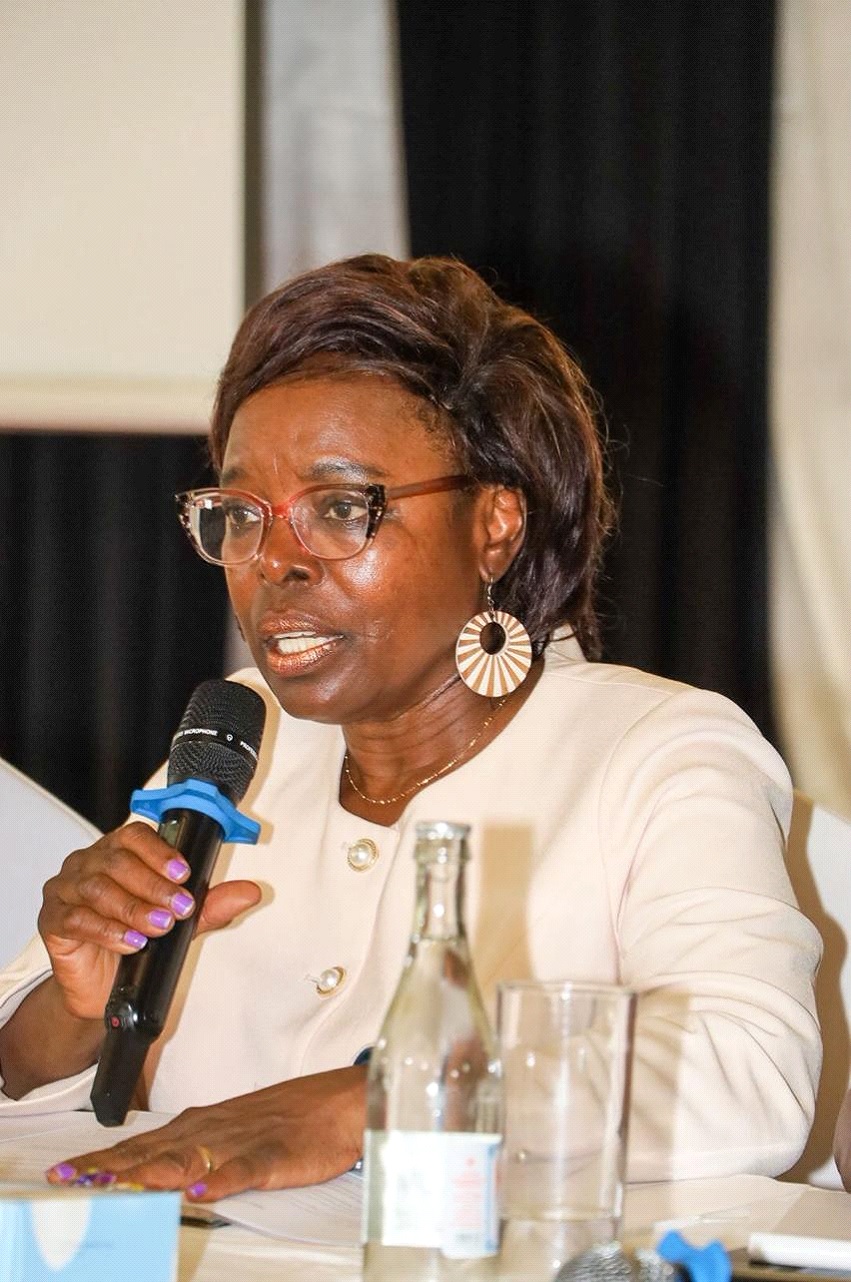
The Controller of Budget, FCPA Dr. Margaret Nyakang’o, appeared before the Finance and National Planning Committee of the
National Assembly to present the office’s budget priorities requiring funding to effectively discharge its constitutional mandate. In her submission, Dr. Nyakang’o highlighted that despite ongoing efforts to deliver on the office’s oversight responsibilities, significant financial constraints continue to threaten the realisation of its objectives.
She emphasised that critical programmes, including the automation of county exchequer operations through the Controller of Budget Management Information System(CoBMIS), public sensitisation on budget processes, amendment of the OCoB Act, finalisation of the CoB regulations, enhanced budget oversight through Research, monitoring and evaluation, and capacity building—remain underfunded due to persistent budget cuts. These reductions, she noted, weaken the office’s ability to deliver on its core mandate.
In response, the Committee Chair, FCPA Kimani Kuria, commended the Controller of Budget for consistently demonstrating excellence in executing her mandate despite the challenges faced. He underscored that the office has remained a steadfast defender of prudent public finance management, advocating for fiscal discipline across government institutions and even setting the standard through its own operations. Hon. Peter Kaluma, MP for Homa Bay Town Constituency, questioned why some institutions were able to secure budgetary support under Article 223 of the Constitution to bridge deficits, while a critical office such as OCoB which demonstrated results, continued to face funding gaps for essential programmes.
The Committee further directed the Controller of Budget to collaborate with the National Treasury and the Central Bank of Kenya to actualise, within two weeks, the Senate Standing Committee on Devolution and Intergovernmental Relations’ directive granting unfettered, unrestricted, and real-time access to all commercial bank accounts operated by county governments.
Looking ahead, future plans will integrate twinning, tracking, and geomapping into OCoB’s oversight role. These reforms will help counties reduce pending bills by ensuring requisitions, payments, and project locations are fully verified before funds are released. By strengthening accountability, closing loopholes that enable fraud and inefficiency, and promoting fiscal discipline, OCoB will be better positioned to address the pending bills crisis, currently standing at KSh163.7 billion as of December 2025, while restoring supplier confidence and public trust in the management of devolved resources.

NO COMMENT
LEAVE A REPLY